
Batana oil has emerged as a sought-after ingredient for those who demand natural, nutrient-dense care for their hair and skin. Sourced mainly from Honduras, this golden oil is cherished for both its traditional roots and its impressive benefits, making it an important consideration for formulators, ingredient buyers, manufacturers, and any business seeking premium botanical raw materials. For anyone managing ingredient sourcing, especially in the field of essential oils and specialty plant extractions, understanding batana oil’s properties, cultural significance, and safety profile is critical. Recent developments in the wholesale essential oils market, including Range Products’ expanded offerings of premium Batana Oil and other botanical ingredients, reflect growing industry demand for authentic, high-quality raw materials. This article examines exactly what batana oil is, its traditional and modern uses, and what to look for when securing a reliable bulk supply, particularly from trusted wholesale partners like Range Products in Western Australia.
Key Takeaways
- Batana oil is a nutrient-rich botanical sourced mainly from Honduras, revered for its traditional and modern uses in hair and skin care.
- It is valued by cosmetic professionals for its high content of fatty acids, antioxidants, and vitamins that promote hair growth, hydrate skin, and support product claims.
- Quality batana oil should be cold-pressed, organic, and supplied with certificates of analysis to ensure purity and authenticity.
- Incorporating batana oil into formulations offers versatility for hair masks, scalp oils, body butters, and after-sun treatments without the need for synthetic additives.
- Sustainable sourcing practices that respect batana oil’s cultural significance are essential, with traceability and ethical trade being priorities for reputable wholesalers.
- Patch testing is advised before full use, and proper storage helps maintain the oil’s potency and shelf life.
What Is Batana Oil?
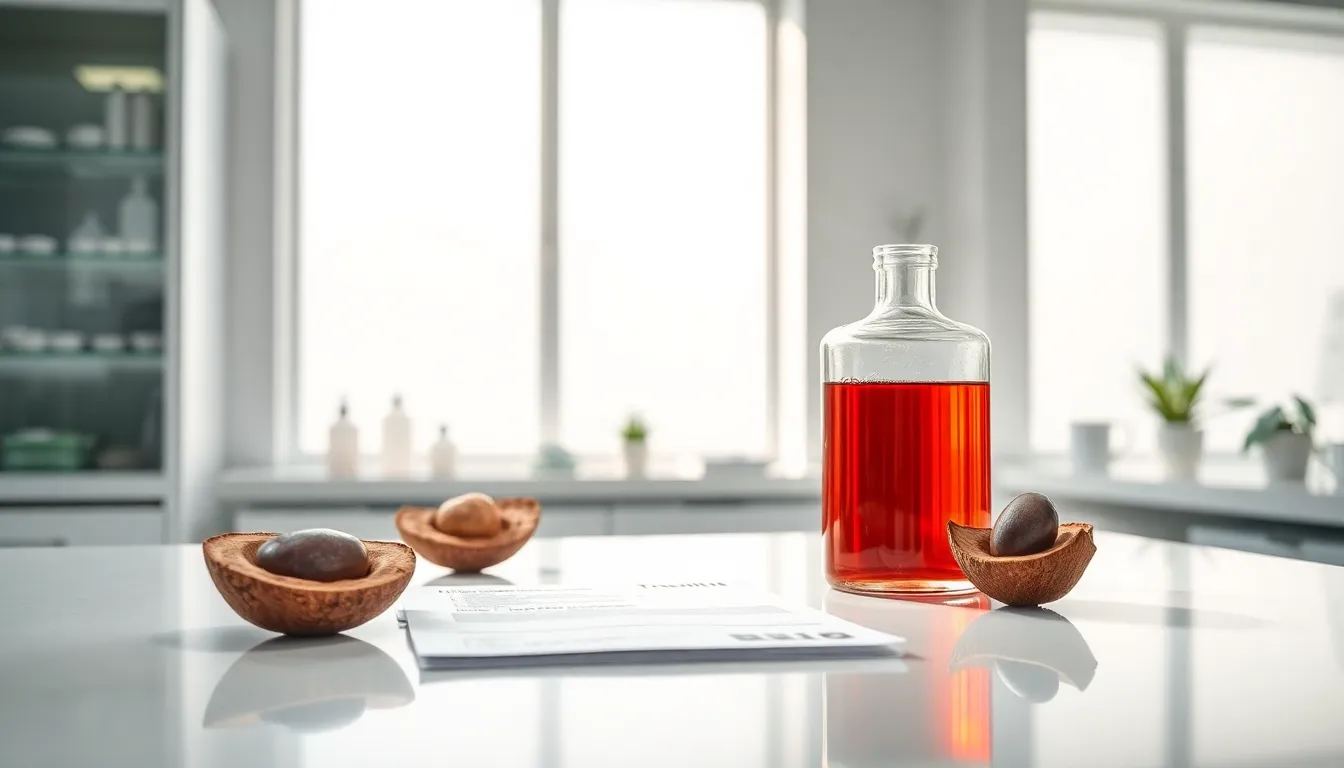
Batana oil is pressed from the kernels of the American oil palm (Elaeis oleifera), a tropical plant native to Central and South America, most notably Honduras. Extraction is typically performed by cold pressing the nut to retain its rich nutritional profile, avoiding chemical solvents or excessive heat. The resulting oil has a deep amber colour and a naturally mild, earthy scent.
From an ingredient supply perspective, batana oil is prized for its composition. It contains a high concentration of Omega-6 (linoleic) and Omega-9 (oleic) fatty acids, tocopherols (vitamin E), pro-vitamin A (carotenoids), phytosterols, and antioxidants. These compounds support moisture retention, improve barrier function, and combat oxidative stress, factors central to both cosmetic and personal care product claims.
For businesses and professionals sourcing raw materials, it’s important to ensure the oil is supplied unrefined and without contamination. At Range Products, procurement teams emphasise the origin, method of extraction, and documentation such as certificates of analysis (COA) to guarantee authenticity and consistent quality.
Traditional Uses and Cultural Significance
Batana oil carries significant cultural heritage for the Indigenous Miskito people of Honduras, often referred to as the ‘miracle oil‘ in their communities. For generations, this oil has been applied to hair and scalp to strengthen, restore lustre, and encourage growth in the region’s harsh tropical climate.
Beyond personal grooming, batana oil has also played a role in folk medicine, with applications for soothing dry skin, treating minor wounds, calming irritation, and even addressing gastrointestinal concerns like constipation and ulcers. This deep reservoir of traditional use provides credibility that supports the oil’s value proposition for natural product brands and commercial formulators seeking heritage-backed actives.
When working with bulk ingredient buyers, it’s essential to respect origin stories and cultural significance, ensuring the supply chain honours fair sourcing and sustainable practices. Range Products routinely partners with global producers who value these traditions, supporting ethical trade and traceability in every lot supplied.
Key Benefits of Batana Oil
Professionals in cosmetics, haircare, and wellness fields often turn to batana oil for its multi-functional properties:
- Hair Health: Batana oil deeply nourishes the scalp, improves circulation, and encourages robust hair growth. Its fatty acid profile fortifies hair fibres, reducing breakage and loss, while antioxidants add natural shine and manageability. This oil also offers environmental protection, helpful for ranges designed to shield hair from UV and pollution.
- Skin Care: Applied topically, batana oil acts as a potent moisturiser for dry or sensitive skin. The anti-inflammatory phytosterols and vitamins soothe irritation (such as from dandruff), help fade pigmentation, and support skin recovery from minor cuts or blemishes. Anti-ageing claims are also backed by vitamin E and carotenoids, which boost elasticity and reduce visible signs of ageing.
- Versatile Use: Its ability to penetrate without feeling overly greasy makes batana oil suitable for a broad range of formulations, hair masks, scalp oils, balms, body butters, and even after-sun treatments. For product creators, this versatility supports the development of targeted SKUs without the clutter of extra synthetic additives.
How to Use Batana Oil for Hair and Skin
For Hair:
- As a scalp massage oil: Apply several drops to fingertips, massaging gently into the scalp. This boosts microcirculation and delivers nutrients directly to growing hair follicles.
- Hair mask: Work the oil through mid-lengths and ends, leave on for 30 minutes or overnight (covered with a cap), then shampoo out. This helps restore moisture, smooth frizz, and repair environmental damage.
- Heat styling support: Use a small amount blended with a carrier oil as a pre-styling protectant, ideal for all hair types.
For Skin:
- Daily moisturiser: Batana oil can be applied directly (or diluted with a lighter carrier oil) to hydrate and nourish dry, flaky skin without clogging pores.
- Spot treatment: Dab on areas affected by hyperpigmentation, scars, or irritation to support healing.
Anyone developing cosmetic or aromatherapy products should test for compatibility and optimal blends: batana oil pairs especially well with essential oils and base products for masks, balms, and serums. Wholesale partners such as Range Products often offer guidance on dilution rates and formulation support.
Selecting and Storing Quality Batana Oil
Whether you’re a small-batch crafter or supplying a large-scale manufacturing line, quality assurance comes first. Look for batana oil that is:
- Cold-pressed and unrefined: Retains the full nutrient spectrum without the loss or contamination seen in solvent-extracted or heavily processed oils.
- Certified organic: Verifies that no pesticides or chemical fertilisers were used during cultivation, important for brands with clean beauty standards.
- Backed by a certificate of analysis: Objective data confirming purity, fatty acid profile, and absence of adulterants or contaminants.
- Properly stored: Batana oil should be kept in airtight, opaque containers and away from direct sunlight or heat. This preserves the antioxidants and shelf life, preventing rancidity.
Range Products sources globally, thoroughly vetting every supplier and batch. Bulk buyers can request detailed documentation and traceability for every drum or container shipped, ensuring every order meets exacting standards for both regulatory compliance and end-user satisfaction.
Potential Side Effects and Safety Tips
Batana oil is similar in safety profile to many plant-based oils, suitable for topical use on hair and skin for most people. Nonetheless, there are a few best practices:
- Patch test before full use: Especially important for sensitive individuals or when creating new blends.
- Watch for allergies: While major reactions are rare, those with tree nut allergies should consult a medical professional before use.
- Monitor shelf life: Like all natural oils, batana oil may oxidise with time or improper storage, always check for off odours or changes in colour.
- Safe for most skin and hair types: Its non-comedogenic nature makes it unlikely to clog pores, but formulations should remain simple for sensitive users.
No serious side effects are widely reported, but common-sense diligence is wise. Wholesale suppliers like Range Products can provide stability data and batch history on request.
About Range Products
Business: Range Products
Spokesperson: Penny Coupland
Position: Business Owner
Phone: +61 8 9358 4448
Email: admin@rangeproducts.com.au
Location: 6/138 Radium St., Welshpool WA 6106, Australia
Website: https://www.rangeproducts.com.au/
Google Maps Link: https://maps.app.goo.gl/VLNwF2FxKbZ9k1nP6
Frequently Asked Questions about Batana Oil
What is batana oil and where does it come from?
Batana oil is a nutrient-rich oil extracted from the kernels of the American oil palm (Elaeis oleifera), primarily found in Honduras. It is valued for its natural benefits for hair and skin due to its high content of fatty acids, antioxidants, and vitamins.
How can batana oil benefit hair and scalp health?
Batana oil nourishes the scalp, strengthens hair follicles, encourages growth, and reduces breakage. Its antioxidant and fatty acid content adds shine, enhances manageability, and helps protect against environmental damage such as pollution and UV rays.
Can batana oil be used on sensitive skin?
Yes, batana oil is suitable for most skin types, including sensitive skin, thanks to its anti-inflammatory properties from phytosterols and vitamins. It hydrates, soothes irritation, and can support healing of minor cuts, but a patch test is recommended before use.
What should I look for when buying quality batana oil in bulk?
When sourcing batana oil in bulk, look for cold-pressed, unrefined options that are certified organic and come with a certificate of analysis. Ensure the supplier offers proper storage and traceability to maintain purity and compliance with regulatory standards.
How do you use batana oil for hair and skin care routines?
For hair, batana oil can be massaged into the scalp, used as a hair mask, or added as a pre-styling protectant. For skin, it serves as a daily moisturiser or spot treatment for pigmentation and irritation. It blends well with other oils for versatile formulations.
Are there any side effects associated with batana oil?
Serious side effects from batana oil are rare, but individuals with tree nut allergies should seek medical advice before use. Always conduct a patch test to check for sensitivities, and store the oil properly to prevent rancidity.